The Supplemental Nutrition Assistance Program (SNAP), often called Food Stamps, is a program run by the federal government to help people with low incomes buy food. Electronic Benefit Transfer (EBT) is the way SNAP benefits are given to people – it’s like a debit card for food. But how SNAP and EBT work can be a little different depending on where you live. This essay will look at Food Stamps EBT Compared By State, exploring some of the differences and similarities across the country.
Eligibility Requirements: Who Gets Food Stamps?
One of the biggest things that changes from state to state is who is allowed to get food stamps. The basic rules are set by the federal government, but states have some say in how they’re applied. This means that the income limits, the amount of money you’re allowed to have in the bank, and what kind of resources you own can be different depending on the state. For example, a state might set a higher income limit to qualify than the federal minimum. Some states also consider things like how much money you spend on rent or childcare when deciding if you qualify.
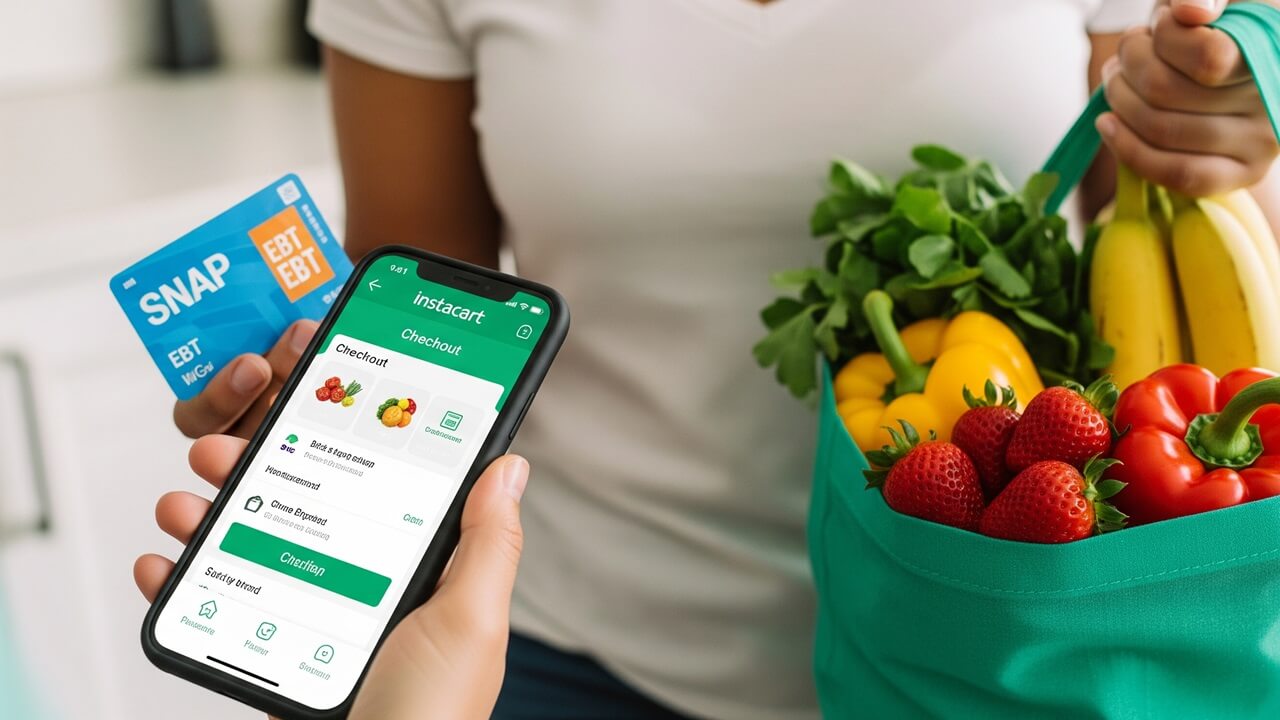
Each state looks at different factors, and it’s a good idea to check with your local SNAP office to see what’s required in your specific area. You will most likely need to provide proof of identity, proof of income, and sometimes proof of where you live. You’ll also probably need to fill out an application form and may be required to participate in an interview. These rules are in place to make sure that the program is being used by the people who really need it, which is important!
Here’s a quick comparison of some general eligibility factors:
- Income Limits: Many states base this on the federal poverty guidelines, but some set their own limits.
- Asset Limits: This is the amount of money you can have in savings or other assets. Some states have higher limits than others.
- Work Requirements: Some states require able-bodied adults without dependents to meet certain work requirements to receive benefits.
It’s always a good idea to visit your state’s SNAP website or contact your local Department of Human Services to learn the precise eligibility rules in your area.
Benefit Amounts: How Much Food Can You Buy?
The amount of money you get each month on your EBT card also changes from state to state, though the federal government provides the overall funding. The amount you receive is generally based on your household size and income. The bigger your family and the lower your income, the more SNAP benefits you’ll typically get. However, some states might have additional programs or policies that can affect the benefit amount.
The federal government sets the maximum benefit amount, but the actual amount each family receives is calculated differently based on their specific situation. They use a complex formula to determine how much assistance a household is eligible for. This includes things like the cost of food and the income of the household. Some states are more generous with the amount of benefits they provide.
Keep in mind that these benefit amounts can change. For example, if food prices go up, or if Congress changes the federal SNAP laws, the amount you receive on your EBT card could increase or decrease. States can also adjust how they distribute these benefits.
Here’s an example of how benefit amounts might vary (These are just examples and do not reflect real numbers):
| Household Size | Maximum Benefit (Federal) | Benefit (State A) | Benefit (State B) |
|---|---|---|---|
| 1 Person | $291 | $291 | $300 |
| 2 People | $535 | $535 | $560 |
EBT Card Use: Where Can You Spend Your Benefits?
The basics of using your EBT card are the same everywhere: you can use it like a debit card at grocery stores and other approved retailers to buy food. However, there are also variations state to state, like where you can use the card, what you can buy, and the security measures in place. For example, different states have different approved locations.
You can use your EBT card at most major grocery stores, farmers’ markets, and some restaurants. The card can usually buy anything that falls under the definition of “food,” such as fruits, vegetables, meats, bread, and cereal. Your EBT card will not let you buy alcohol, tobacco products, or things that are not food, such as pet food or household supplies. Be aware of what you can and cannot purchase.
EBT cards also have built-in security features to protect your benefits from fraud or theft. If your card is lost or stolen, you should immediately report it to your local SNAP office so they can cancel the card and issue a new one. You will also need to choose a PIN number to protect your account.
Here are some places that typically accept EBT cards:
- Grocery stores (like Walmart, Kroger, etc.)
- Farmers’ markets
- Some convenience stores
- Some restaurants (in certain states, for those who qualify)
Fraud Prevention: Protecting Your Benefits
States have different systems to prevent people from using SNAP benefits fraudulently. Fraud means that someone is getting benefits they aren’t supposed to, either by lying on their application or using their card in a way that isn’t allowed. States use many different techniques to prevent fraud.
To prevent fraud, states might require applicants to provide detailed information and documents to prove their eligibility. They can use technology to match information, like checking employment records and bank accounts. States also monitor the use of EBT cards to spot any suspicious activity. This can involve checking where the cards are being used, how much money is being spent, and how often. Any unusual behavior can raise a red flag.
States also have ways to investigate if they suspect fraud. They might interview people, review records, or even work with law enforcement to look into suspicious cases. People caught committing fraud can face serious consequences, including losing their benefits, paying back money, or even facing criminal charges.
Here’s a quick breakdown of common fraud prevention measures:
- Verification of income and assets
- EBT card monitoring
- Regular reviews of eligibility
- Investigations into suspected fraud
Technology and EBT: Mobile Apps and Online Tools
Many states have embraced technology to make it easier for people to manage their EBT benefits. This includes mobile apps, websites, and other online tools. These technologies make it more convenient for recipients to check their balances, review their transaction history, and find out more about the SNAP program.
Many states offer a mobile app that allows you to check your EBT balance, see recent transactions, and get alerts. Some apps might also help you find stores that accept EBT cards near you. You can often also use state websites to get information about SNAP, download forms, and communicate with the local SNAP office. This allows you to manage your benefits from anywhere, at any time, using your phone.
These tools can provide important services like:
- Checking Your Balance: Know exactly how much money you have left.
- Transaction History: Track where your money is being spent.
- Finding Stores: Locate nearby stores that accept EBT.
- Updates and Alerts: Receive notifications about important program changes.
As technology evolves, states are likely to implement more and more helpful tools. It’s always a good idea to check your state’s website or SNAP office to see what resources are available to you.
Additional State Programs: Beyond Basic SNAP
In addition to the main SNAP program, many states offer extra programs to help low-income families get enough to eat. These programs are often funded by the state and are designed to provide extra support for people who need it the most. These programs can help fill in the gaps and provide more assistance to people in specific situations, such as the elderly, disabled, or families with young children.
Some states have programs that provide extra benefits to specific groups, such as seniors or people with disabilities. These benefits are often combined with SNAP to provide increased support. Others have nutrition education programs to teach families how to cook healthy meals and manage their food budget. Also, many states work with food banks and other local organizations to provide additional food assistance.
The goal of these additional programs is to provide more comprehensive support and to address the unique needs of different populations. These programs demonstrate that states are actively working to combat food insecurity and improve the well-being of their residents. The types of programs and the eligibility criteria will be unique to each state.
Here is a table showing example additional programs:
| Program Type | Description |
|---|---|
| Senior Programs | Offers extra food assistance to elderly people. |
| Nutrition Education | Teaches cooking skills and healthy eating habits. |
| Food Bank Partnerships | Works with local food banks to provide additional food. |
Conclusion
In conclusion, while the core of the SNAP program – providing food assistance through EBT – is the same across the country, the details can change quite a bit from state to state. States have some say in setting eligibility requirements, setting benefit amounts, and designing how their EBT systems work. It’s important to understand how your state’s rules work to make the most of the assistance available. By knowing the rules in your area, you can navigate the system more effectively. Ultimately, SNAP and EBT are critical tools in the fight against hunger, and understanding the nuances of how they work in different places helps everyone who receives help and those who administer these programs.