Lots of people get help buying food, and you might have heard of both SNAP benefits and EBT cards. Sometimes, people use the terms like they’re the same thing, but is that really true? This essay will break down what those terms mean and how they relate to each other, so you can understand how food assistance works in the United States.
What Exactly Is SNAP?
SNAP stands for the Supplemental Nutrition Assistance Program, and it’s the official name of the federal government’s food assistance program. It’s a program run by the U.S. Department of Agriculture. Its main goal is to help people with low incomes buy healthy food. This means SNAP is like a big umbrella that covers the whole program, and the money for benefits comes from the federal government.
What About EBT?
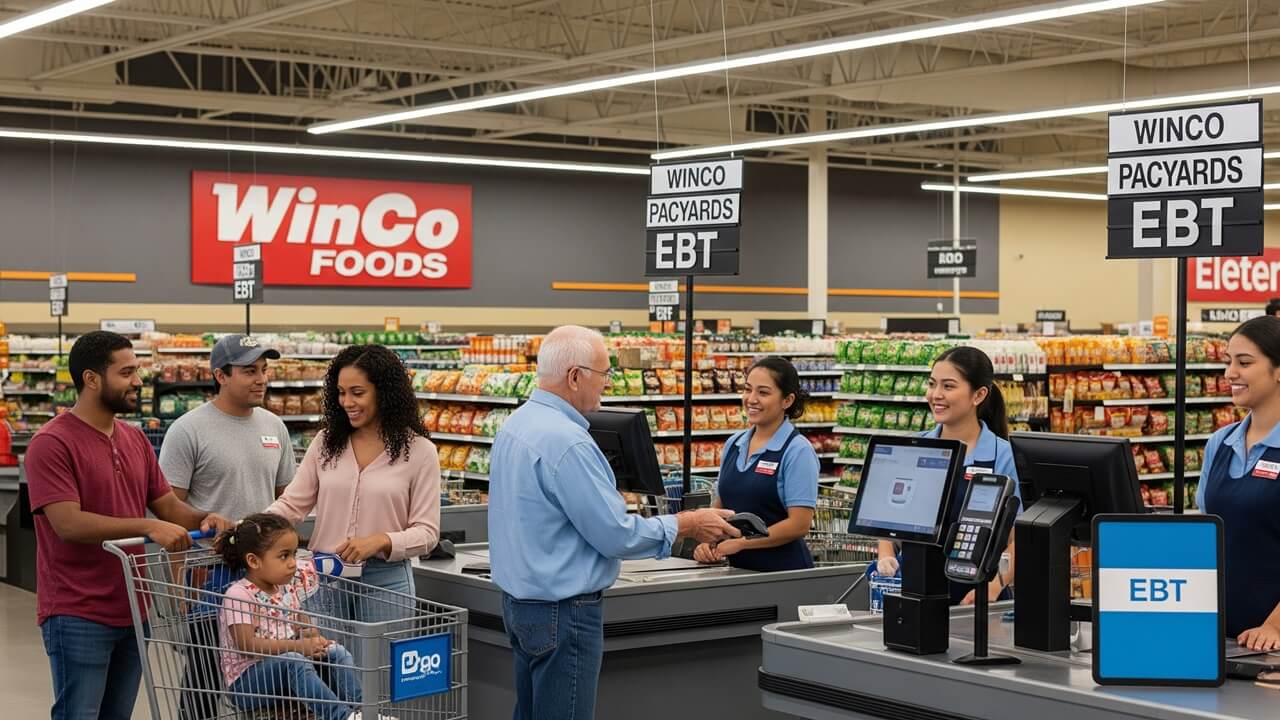
EBT stands for Electronic Benefit Transfer. So what does that mean? Well, think of it as the way people get their SNAP benefits. It’s like a special debit card that works just for buying food at approved stores. The card is loaded with money each month, and it’s the way SNAP participants access their food benefits. The EBT system is managed by each state, but it is funded by the federal government.
How Are SNAP Benefits and EBT Cards Connected?
Think of it like this: SNAP is the program, and EBT is the tool used to get the benefits. If you get SNAP benefits, you’ll get an EBT card. You use the EBT card at the grocery store just like you would a regular debit card, but the money comes from your SNAP benefits. The EBT card helps make sure that the food benefits are used to buy food, as intended by the program.
- SNAP provides the funding for food assistance.
- EBT is the technology for receiving and using those funds.
- It’s a simple and direct way to help families buy food.
- Together, they make sure people have access to nutritious food.
Where Can You Use an EBT Card?
EBT cards are accepted at many different places. You can use them at most grocery stores and supermarkets. Lots of farmers’ markets also accept EBT, which is great for getting fresh, local produce. Sometimes, you can even use them online at stores that have been approved to accept SNAP.
- Grocery Stores: These are the most common places to use your EBT card.
- Farmers’ Markets: Many farmers’ markets accept EBT, providing access to fresh food.
- Online Retailers: Some online stores are approved to accept EBT cards.
- Specific Retailers: Stores that sell food and have gone through the process to be approved to accept EBT.
What Can You Buy with SNAP Benefits?
SNAP benefits are meant for buying food, and there are some rules about what you can and can’t buy. You can use your EBT card to purchase things like fruits, vegetables, meat, poultry, fish, dairy products, and bread. You can also buy seeds and plants to grow your own food.
However, there are some things you can’t buy. These include alcohol, tobacco products, pet food, and non-food items like paper towels or cleaning supplies. The purpose is to keep the benefits focused on getting enough food for your family.
Here is a quick summary:
| Allowed Items | Not Allowed Items |
|---|---|
| Fruits and vegetables | Alcohol |
| Meat, poultry, and fish | Tobacco products |
| Dairy products | Pet food |
| Breads and cereals | Non-food items |
Who Is Eligible for SNAP?
To get SNAP benefits, you need to meet certain requirements. Generally, this is based on your household’s income and resources. Each state has its own rules, but they mostly follow federal guidelines. These guidelines help ensure that the benefits are going to people who really need them.
The rules take into account factors like the number of people in your household, your income, and the value of any assets you might have, such as savings or property. It’s a way to make sure the program helps those with the greatest need.
- Income: SNAP has income limits, which vary by state.
- Resources: Limits exist on how much money and assets a household can have.
- Household Size: The number of people in your family affects your eligibility and benefit amount.
- Work Requirements: Some adults are required to meet certain work requirements to receive benefits.
How Do You Apply for SNAP?
If you think you might be eligible for SNAP, the first thing to do is apply. The application process usually happens at the local or state social services office, or online through your state’s website. You’ll need to provide information about your income, resources, and household size.
The application process can vary slightly depending on where you live, but it generally involves filling out a form and providing documentation. You’ll likely need to provide proof of income, such as pay stubs or tax forms. You may also need to provide identification and information about your household members.
Here are the basic steps:
- Find your state’s SNAP application.
- Gather required documents (proof of income, etc.).
- Fill out the application completely.
- Submit your application to the correct agency.
- Wait for a decision and if approved, receive your EBT card.
Is SNAP Always Enough?
SNAP benefits are meant to help people with food costs, but they don’t always cover everything. The amount of benefits a person gets depends on several factors, including household size and income. The goal is to make sure people have enough food, but sometimes it can be a challenge.
Many people find that the benefits are helpful, but they still have to budget carefully to make their food last the month. SNAP is designed to supplement food budgets, and it is important to remember that it is not always meant to cover all the food costs.
- Household size determines benefit amount.
- Benefit amounts vary by state and household income.
- SNAP is meant to supplement, not fully cover, food costs.
- Participants must budget carefully to manage food expenses.
In conclusion, while people often use “SNAP benefits” and “EBT card” interchangeably, it’s helpful to understand the difference. SNAP is the government program that provides food assistance, and EBT is the electronic card used to access those benefits. They work together to help people buy the food they need. Hopefully, this clarifies what can sometimes be a confusing topic!